Estimated reading time: 4 minute
Table of Contents
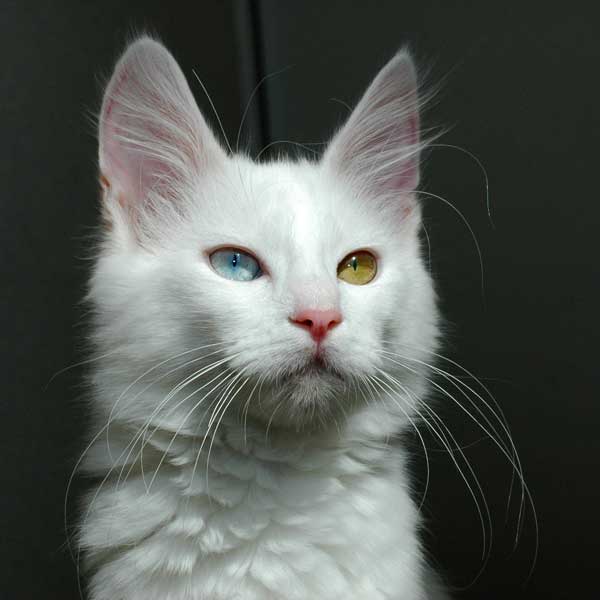
Karatas., Public domain, via Wikimedia Commons
origin
The Ankara cat is a cat breed that has developed naturally in and around Ankara, the capital of Turkey, and dates back to ancient times. It is known as one of the first long-haired cat breeds to be brought to Europe during the Ottoman Empire. The Ankara cat is known worldwide for its elegant structure and pure white fur.
Body Weight and Appearance
Adult Angora cats usually weigh between 2.5 and 5 kg. Male cats are usually larger than females.
The Angora cat has a long, slender and elegant body. Its fur is silky and medium length. Although the most common fur color is pure white, it can also be in different colors such as blue, black, cream, smoke and tortie. Its eyes are usually amber, blue or a combination of both (odd-eyed). This eye difference is one of the most iconic features of the Angora cat. Their tails are long and furry, which gives them a noble appearance.
Temperament and Characteristics
Angora cats are intelligent, energetic and playful cats. Due to their social nature, they love to communicate with people and form strong bonds with their families. They do not like to be alone and often follow their owners. Due to their stubborn and independent nature, their training may require patience. They adapt well to the home environment and get along well with children. They also love to climb and go to high places due to their agile nature.
Heart Disease: Hypertrophic Cardiomyopathy (HCM)
What is Hypertrophic Cardiomyopathy (HCM)?
HCM is a common heart disease characterized by abnormal thickening (hypertrophy) of the heart muscle. Thickening of the heart muscle reduces the heart's ability to pump blood and causes increased pressure within the heart. This can impair blood circulation, leading to fluid accumulation in the lungs (congestive heart failure) and clot formation (arterial thromboembolism).
HCM in Angora Cats:
Angora cats are considered one of the cat breeds that are genetically predisposed to HCM. This disease usually causes the wall of the left ventricle of the heart to thicken and can prevent the heart muscles from contracting normally. The exact genetic cause of HCM in Angora cats has not been determined, but as with other purebred cat breeds, it is thought that there may be a hereditary transmission. HCM is more common in male cats.
Symptoms:
• Shortness of breath: Rapid breathing, especially after exercise or while resting.
• Exercise Intolerance: Fatigue or lack of motivation during play.
• Sudden Paralysis: Sudden paralysis of the hind legs may occur and is usually associated with arterial thromboembolism (ATE).
• Fainting (Syncope) Attacks: Sudden loss of consciousness or fainting.
• Heart Murmur: It can be detected by a veterinarian when listening to the heart with a stethoscope.
Diagnosis and Treatment:
• Diagnosis: Diagnosis of HCM is made by echocardiography (heart ultrasound). This method allows direct visualization of the thickening and functioning of the heart. Electrocardiography (ECG) can also detect heart rhythm disorders.
• Treatment: Treatment for HCM focuses on improving heart function and relieving symptoms of heart failure. Treatment may include medications that help the heart muscle relax and anticoagulant medications to reduce the risk of arterial thromboembolism.
Recommendations for Angora Cat Owners
• Routine Heart Checks: Get regular veterinary checkups to make sure your Angora cat is healthy.
• Take Symptoms Seriously: Watch for signs of shortness of breath, exercise intolerance, or sudden paralysis and seek veterinary attention immediately if these signs are noted.
• Early diagnosis: Early diagnosis of HCM can improve your Angora cat's quality of life. Tests such as echocardiography and EKG can help diagnose heart disease in its early stages.
Angora cats are a beloved breed all over the world with their noble appearance and affectionate character. However, due to their genetic predisposition, care should be taken to avoid heart conditions such as HCM. Regular veterinary check-ups and early diagnosis can help these cats live longer and healthier lives.
Other Articles You May Be Interested In
“Science is the key to our future, and if you don't believe in science, you're holding everyone back.”
Bill nye
