Estimated reading time: 4 minute
Table of Contents
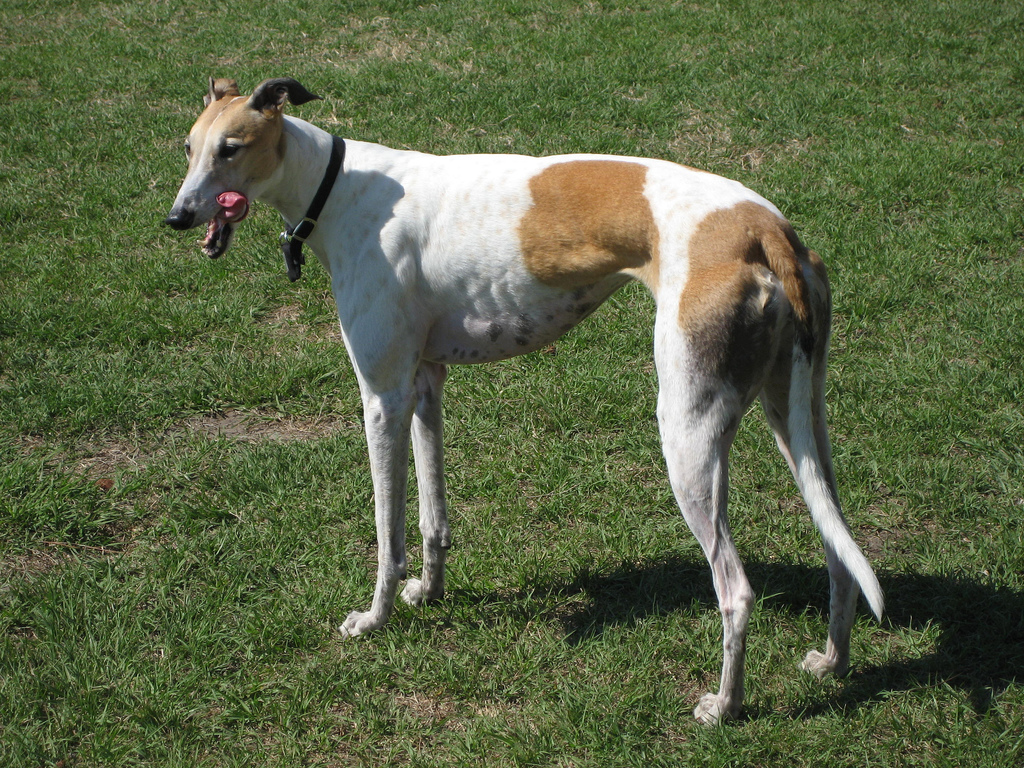
origin
The Greyhound is one of the oldest dog breeds in the world, believed to originate from Ancient Egypt . Throughout history, it has been used as a hunting dog and a racing dog. Today, it is popular both as a family-friendly pet and as a racing dog.
Body Weight and Appearance
Greyhounds are considered a medium-to-large dog breed. Males typically weigh between 27-40 kg , while females weigh between 25-34 kg .
Greyhounds have a slender, long, and muscular build. One of the breed's distinctive features is its streamlined physique and long legs , making it one of the fastest dogs in the world. They have thin skin and short, dense fur. Coat colors include black, white, blue, red, brindle (striped), and combinations of these colors . Their eyes are usually dark, and their ears are small and slightly folded back.
Temperament and Characteristics
Greyhounds are a quiet, gentle, and affectionate dog breed. They are generally quite calm indoors and are often referred to as "carpet adornments ." However, they can run at incredible speeds in open spaces. Because they have a strong hunting instinct, they may be prone to chasing small animals. This breed gets along well with children and other pets and, with proper socialization, can be a harmonious family dog. They enjoy curling up and relaxing in bed and don't require a high level of exercise.
Cardiovascular Diseases: 1. Hypertension (High Blood Pressure)
What is Hypertension?
Hypertension is a condition in which the pressure (blood pressure) on the blood vessels is high as the heart pumps blood. Long-term high blood pressure can damage organs such as the eyes, kidneys, brain, and heart. For more details, see the article on Systemic Hypertension in Dogs .
Hypertension in Greyhounds
Studies have shown that hypertension is more common in Greyhounds than in other dog breeds. A study of 47 retired racing Greyhounds in the US found that 62% had high blood pressure (systolic blood pressure above 160 mmHg). One report suggested that this tendency towards high blood pressure in the breed may be related to a specific distribution of certain fatty acid derivatives (eicosanoids) that impair vascular function. High blood pressure may be associated with a small amount of albumin loss in the urine (microalbuminuria). One study suggests that Greyhounds have an increased risk of stroke (ischemic stroke) due to interrupted blood flow to the brain, and that this may be due to high blood pressure.
symptoms
• Weakness and easy fatigue
• Visual impairment or blindness (eye damage)
• Neurological problems (risk of stroke)
Diagnosis and Treatment
• Diagnosis: Hypertension is diagnosed by a veterinarian measuring blood pressure .
In greyhound breeds like Greyhounds, normal blood pressure values are generally 10–20 mmHg higher than in other breeds. Excitement in the examination environment can also temporarily increase the measurement, and it may take hours or even days for retired racing Greyhounds to adjust to the environment. Therefore, the measurement is repeated and evaluated in a calm environment. For the measurement method, you can refer to the Blood Pressure Measurement article.
• Treatment: The treatment plan will be determined by a veterinary cardiologist based on the dog's condition after examination.
2. Vascular Ring Anomaly (Persistent Right Aortic Arch – PRAA)
What is PRAA?
Persistent right aortic arch (PRAA) is a congenital vascular anomaly that causes compression of the esophagus and difficulty in passing food into the stomach.
PRAA in Greyhounds
In Greyhounds, this anomaly is suspected to be hereditary; in one study, 4 out of 52 cases were Greyhounds. Symptoms usually begin when the puppy is weaned and transitions to solid food, with regurgitation of swallowed food. PRAA obstructs the passage of food due to compression of the esophagus , resulting in regurgitation and weight loss.
symptoms
• Regurgitation (food coming back up) immediately after eating
• Weight loss and poor growth
• Difficulty swallowing (dysphagia)
• Cough and shortness of breath (in severe cases)
Diagnosis and Treatment
• Diagnosis: The diagnosis is usually made with X-rays and contrast-enhanced esophageal imaging .
How is it evaluated during a cardiology examination?
At Greyhound, when high blood pressure or cardiovascular disease is suspected, or for screening purposes, a cardiology examination proceeds in the following order:
• Information form : history, complaints, past illnesses, and respiratory rate counted at home while resting.
• Physical examination : including auscultation of the heart using a stethoscope.
• Chest X-ray in two positions : heart silhouette and lungs are evaluated; esophageal dilation is also examined in cases of suspected PRAA.
• Echocardiography : This examines the structure of the heart and the changes caused by high blood pressure.
• ECG : heart rhythm is assessed.
• Blood pressure measurement : This is done repeatedly in a calm environment after the dog has become accustomed to the surroundings; the results are interpreted according to the normal values of each greyhound breed.
• Blood tests, if deemed necessary : kidney function and protein loss in urine are assessed.
• Treatment: The treatment plan will be determined by the veterinarian after examination, based on the puppy's condition.
Advice for Greyhound Owners
• Regular blood pressure measurement : Regular blood pressure measurement is important in this breed; measurements are interpreted taking into account the normal values for greyhound breeds and the effect of examination anxiety.
• Symptoms : If you notice symptoms such as sudden vision loss, lethargy, or loss of balance, your dog should be evaluated by a veterinarian immediately.
• Weaning period : If regurgitation of swallowed food or the puppy being smaller than its siblings is noticed, the puppy should be evaluated by a veterinarian without delay.
Greyhounds are known for their loyal, graceful, and agile nature. However, it's important to remember that this breed can be susceptible to conditions such as hypertension and vascular ring anomalies . Because Greyhounds are prone to high blood pressure and persistent right aortic arching, your dog's heart and blood pressure should be evaluated by a veterinary cardiologist even if it shows no symptoms.
Every dog, regardless of age, must undergo a cardiology examination before receiving anesthesia.
Other Articles You May Be Interested In
“Keep going, keep improving.”
Chimamanda Ngozi Adichie
