Estimated reading time: 5 minute
Table of Contents
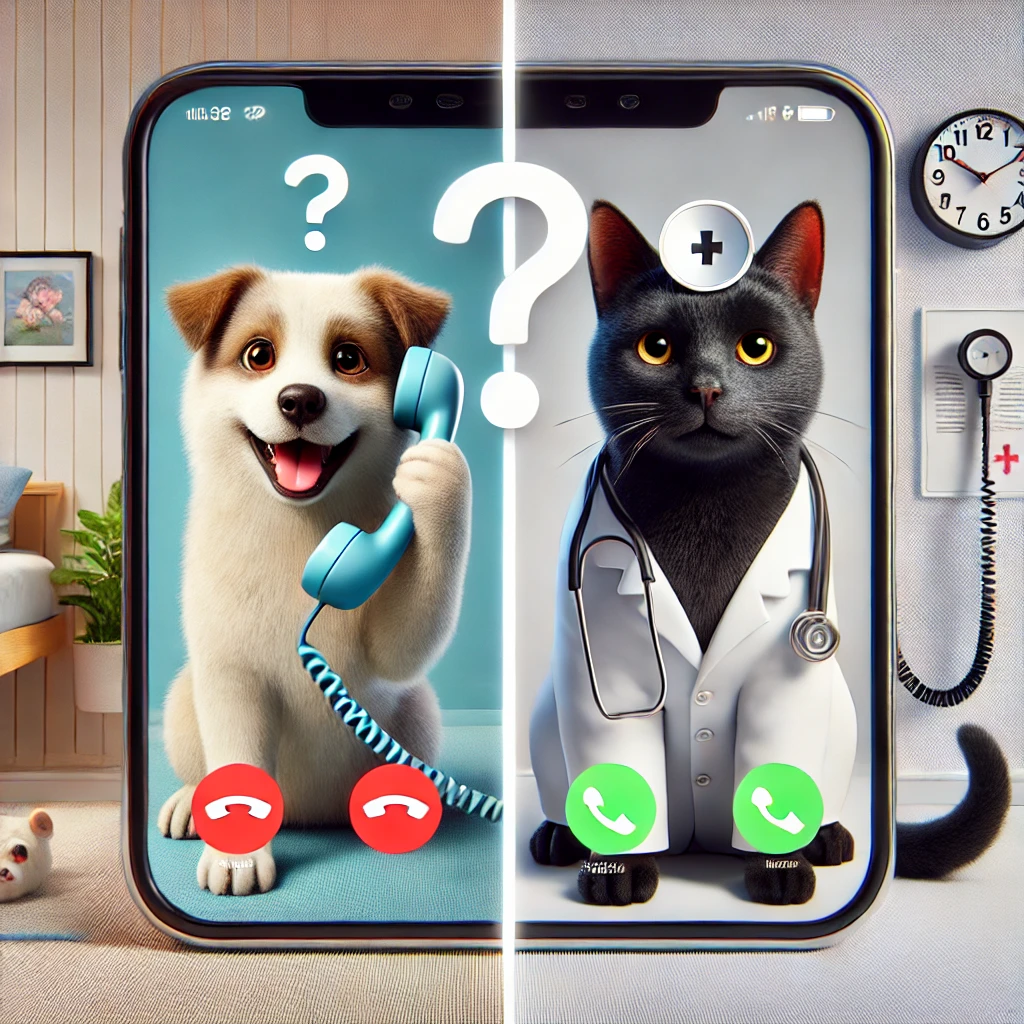
It is natural for you to have questions or concerns about the medications given to your cat/dog. The purpose of the Veterinary Cardiology Portal verkardiyoloji.com, to ensure that patient owners feel safe during this process and to help them easily access the correct information. This article includes frequently asked questions about your cat/dog's medications and important points to pay attention to.
Can I give the medication with/with food?
Just like humans, some medications may be sensitive to your cat's stomach. If the medicine's instructions for use state "administer with food"You can use pill-swallowing (hiding) rewards, a small piece of cheese, or a piece of meat/food when giving this medication. However, some medications should be given on an empty stomach It is important not to forget. You can get the most accurate information on this subject from your veterinarian.
How should I store medications?
Storing your cat's/dog's medications in the right conditions is of great importance for their health and safety. To prevent your cat or dog from accidentally reaching these medications You need to pay attention to some important points.
Things to consider when storing medicines:
• Store in original box: These boxes have your cat/dog's name and dosage instructions clearly stated. This prevents incorrect medication use.
• Keep it in a safe placeKeep medications in a locked cabinet or closed drawer, out of reach of curious paws and noses.
How to adjust the time of administration of the medicine?
Some medications may need to be given at the same time each day. This antibiotic use For example, some antibiotics are given twice a day, in the morning and evening. Giving the medication at the same time each day will help both you and your cat/dog allows you to create a routine. In this way, your cat/dog will get used to the medicine and you will not forget to give it.
Hint:
• Even if the medication does not need to be given at a specific time, trying to give it at the same time every day will create an easier routine for both your cat/dog and you.
What to do if a dose is missed?
Sometimes life gets busy and You may forget to give your cat/dog its medicine.. It is important to know what to do in this situation. Not giving a medicine on time can reduce the effectiveness of the medicine and cause side effects.
What should you do if a dose is missed?
• If you forget to give the medicine and it has only been a few hours, there is usually no problem in giving the dose.
• However, if a longer period of time has passed, It is best to contact your veterinarian.Some medications need to be taken on time and accurate information on how to make up for the missed dose should be obtained from your veterinarian.
How to measure dosage?
When you need to measure the dosage for your cat/dog's medicine, you will probably mg (milligram), ml (milliliter) and cc (cubic centimeter) You may have come across abbreviations such as these. These abbreviations are not used unless your veterinarian has given clear instructions. can be confusing.
Things to pay attention:
• Applying the wrong dosagemay cause serious side effects for your cat/dog.
• If you have any confusion about dosage, Do not hesitate to contact your veterinarian.It is always better to get correct information than to give an incorrect amount.
What to do if the cat/dog refuses to take the medicine?
Have you ever tried to give your cat/dog a pill, and you thought you had made him swallow it, but he/she spit it back out, even though you hid the pill in his/her favorite snack?! Or did you try to give him/her a liquid medication with a syringe, and some of the medicine escaped from his/her mouth? every patient owner may encounter is a common situation. However, there is no single correct solution to this problem.
How do you give medicine to your cat/dog?
• Monitor your veterinarian carefully and ask him to show you how to give the medicine.
• Get help from your veterinarian when giving the first dose. This will help you understand how to give the medication correctly.
• Find a method that works for you and your cat/dog and use it consistently. Some dogs and cats may accept medications with treats such as cheese, cuts of meat/wet food, or special pill-swallowing treats.
Remember: Every dog and cat responds differently to medication. Sometimes you may need to use trial and error to find the method that works best for you and your cat/dog.
Giving medication to your cat/dog may not always be an easy process. Purpose of the Veterinary Cardiology Portal, to make this process easier and more understandable for you. How to administer the medication, when and how to store the medication are important for the health of both you and your cat/dog. If you encounter any uncertainty during this process, Do not hesitate to contact your veterinarian.Because accurate information is always the safest way for your cat/dog's health.
Other Articles You May Be Interested In
“Education is the art of making people moral.”
Georg Wilhelm Friedrich Hegel
