Estimated reading time: 3 minutes
Contents
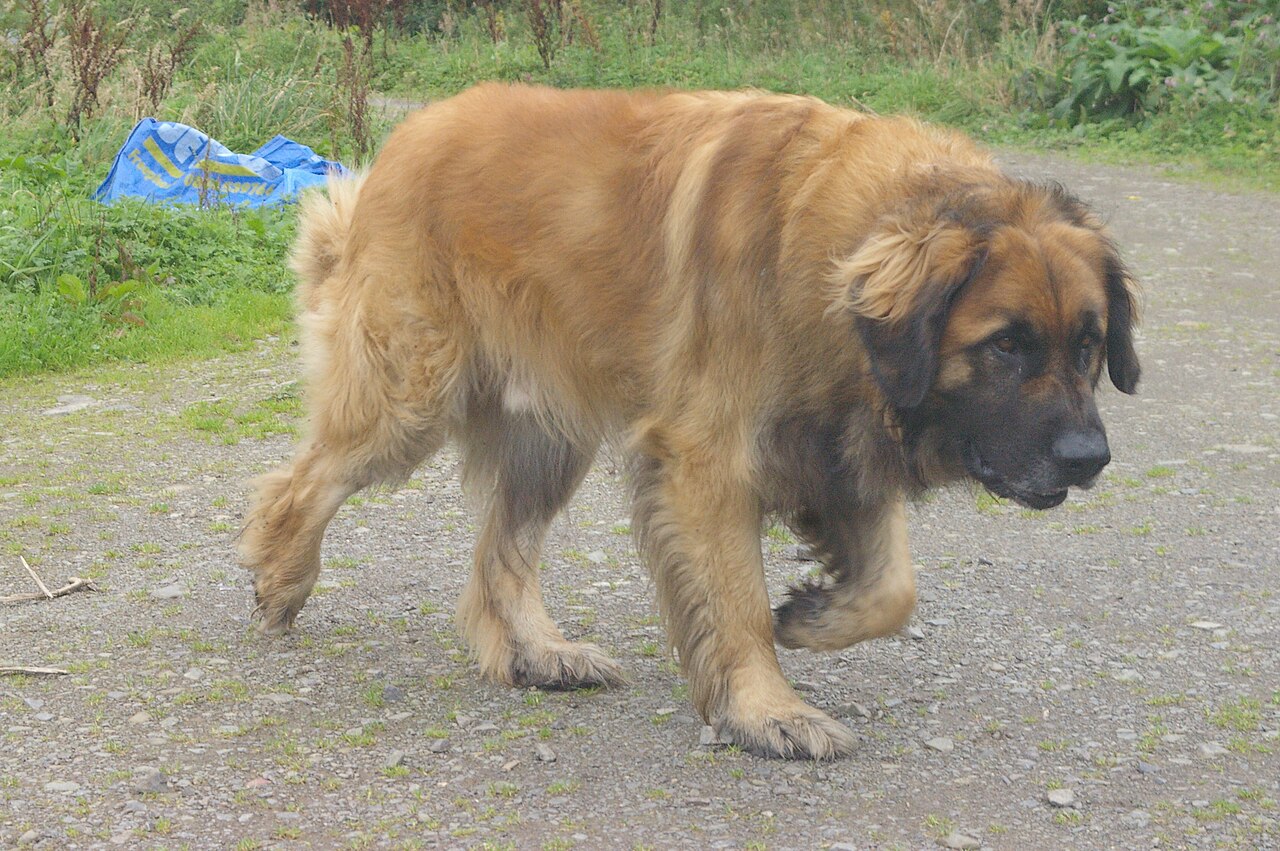
origin
The Leonberger is a giant breed that was developed in Germany around the 1850s as a guard, companion, and family dog . Its development involved large breeds such as the Saint Bernard, Newfoundland, and Great Pyrenees. The Leonberger population suffered a significant decline during and after the two World Wars, with only 17 dogs registered in 1946. Today, it is estimated that there are approximately 30.000 Leonbergers in the world.
Body Weight and Appearance
The adult weight of a Leonberger ranges from 45–77 kg . In the UK, the median weight of 706 Leonbergers in first-line records was found to be 56,9 kg; this value was 52,7 kg for females and 60,6 kg for males.
The coat color is mostly light yellow to sable tones, and a black mask may be visible on the face.
Heart Disease: Ventricular Arrhythmia and Sudden Cardiac Death in Young People
Leonbergers are among the breeds reported to suffer from ventricular arrhythmias and related sudden cardiac death at a young age. Ventricular arrhythmias in cats and dogs sometimes cause no symptoms, while in other cases they lead to fainting and sudden death.
- Death due to heart diseaseA large study in Sweden examining deaths from heart disease in insured dogs under 10 years old found that Leonbergers were among the breeds with the highest mortality rate from heart-related causes.
- Sudden deathA study conducted in Finland examined the autopsy records of 21 Leonberger infants under the age of 3 who died unexpectedly. Death occurred at a median age of 12 months, without any prior warning signs, and mostly while at rest. No structural heart disease was found, and death was suspected to be due to arrhythmia.
- In dogs that appear healthyIn the same study, 46 seemingly healthy Leonberger dogs were examined, and ventricular arrhythmias were detected in 14 dogs via 24-hour ECG (Holter) recording. The median age of these dogs was 18 months. The severity of the arrhythmia ranged from infrequent double or triple premature beats to polymorphic ventricular tachycardia. Two dogs with polymorphic ventricular tachycardia died during follow-up.
- ExtendsThe available pedigree data did not determine the mode of inheritance. The authors stated that the pedigree analysis suggested that the rhythm disorder was familial.
- DiagnosisAccording to the authors, the diagnosis is based on a 24-hour ECG (Holter) recording.
- IrritabilityThe findings come from the work of a single research group; the genetic cause of the arrhythmia is not yet known.
For more details, please see the article on Ventricular Premature Beats and Ventricular Tachycardia .
How is it evaluated during a cardiology examination?
In Leonberger, when heart disease is suspected or a cardiology examination is performed for screening purposes , the sequence is as follows:
- History form: history, complaints, past illnesses, and respiratory rate counted while resting at home.
- Physical examinationThis includes listening to the heart with a stethoscope (auscultation); irregular rhythms can be detected at this stage.
- Thoracic radiographs in two views: Heart silhouette and the lungs are evaluated.
- EchocardiographyThe structure and function of the heart are examined. In one study of healthy Leonbergers, trace amounts of mitral or aortic valve regurgitation were found in 81% of the dogs. Breed-specific echocardiography reference values have been published for this breed.
- ECG: heart rhythm is evaluated. Diagnosis of arrhythmia in this breed is made with a 24-hour ECG.HolterIt is based on the record.
- Blood pressure measurement.
- Blood tests if needed
The veterinary cardiologist determines the interval for check-ups and which examinations need to be repeated, based on the examination findings.
Suggestions for Leonberger Owners
- Young dogsReported sudden deaths have mostly occurred in dogs under 3 years of age who showed no prior symptoms. It is important to have the heart rhythm of a young Leonberger evaluated by a veterinary cardiologist.
- Breeding dogsSince the arrhythmia is thought to be familial, dogs to be used in breeding should undergo a cardiological evaluation beforehand.
- Emergency symptomsA dog exhibiting fainting, sudden weakness or collapse, difficulty breathing, and rapidly increasing abdominal swelling should be evaluated by a veterinarian immediately.
- Before anesthesiaEvery dog that is going to receive anesthesia, regardless of age, must have it done beforehand. from cardiology examination It needs to pass.
The Leonberger is a giant breed developed as a guard dog, companion, and family dog. Even without showing symptoms, dogs of this breed should have their hearts evaluated by a veterinary cardiologist.
Other Articles You May Be Interested In
"Facts are the air of a scientist; without them, you can never fly."
Ivan Pavlova

Comments are closed.