Estimated reading time: 7 minute
Table of Contents
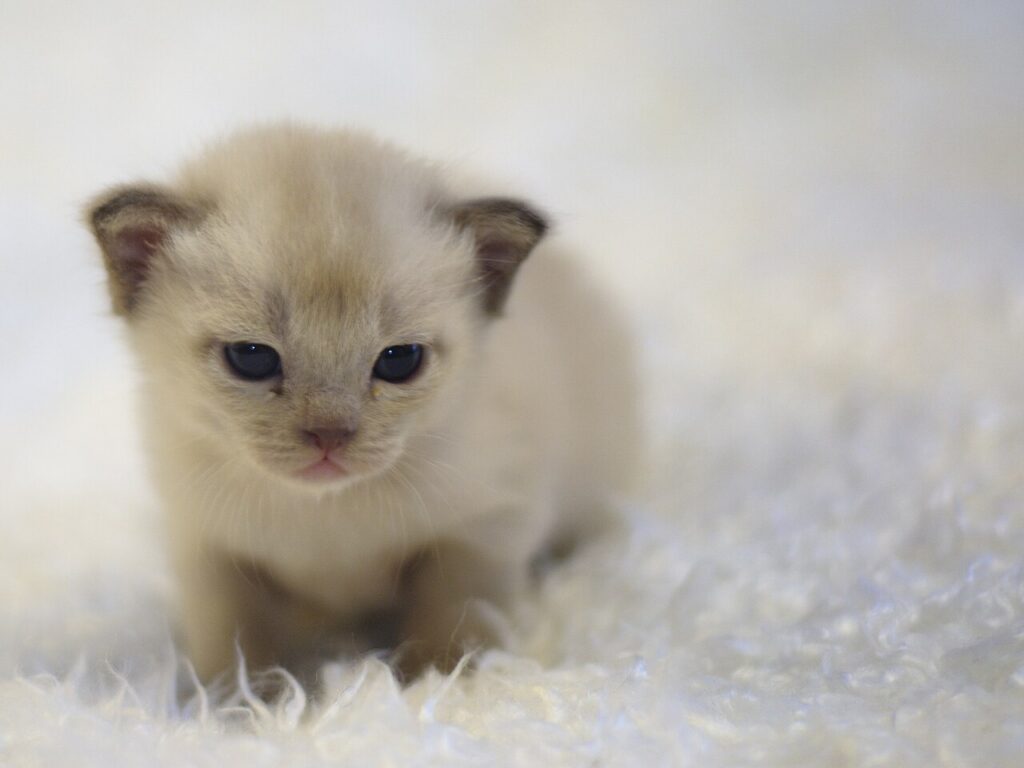
Endomyocarditis in cats is inflammation of the inner lining of the heart (endocardium) and the heart muscle (myocardium) immediately beneath it. It is a rare disease, more common in young cats. Endocardial fibroelastosis (EFE), on the other hand, is a rare disease in which the inner lining of the heart thickens with fibrous and elastic tissue. EFE usually affects kittens under six months old.
Both diseases affect the inner lining of the heart, and a definitive diagnosis often requires tissue examination. This article discusses the symptoms of both conditions, the myocardial disorders they are associated with, and their location on examination. Other heart diseases in cats are presented together in the section on Heart Diseases in Cats .
1. What is Endomyocarditis in Cats?
Endomyocarditis is a form of inflammation of the heart muscle (myocarditis) in cats. The disease mostly affects young cats. For example, in a series of 25 young cats, the average age was 2,6 years. Most of these cats died unexpectedly. Postmortem examination revealed inflammatory cells in the inner lining and muscle of the heart.
The disease has two phases:
- Acute phaseImmune cells accumulate in the inner lining and muscle of the heart, damaging neighboring muscle cells.
- Chronic phaseInflammation decreases; however, muscle damage and scar tissue (fibrosis) become more prominent.
The cause of the disease is still unclear. Veterinarians have suspected a virus, but have not been able to prove it. In one study, 58% of cats with heart muscle disease had traces of myocarditis in their heart tissue. About one-third of these samples also showed genetic traces of feline panleukopenia virus. Nevertheless, the role of the virus in these diseases remains unclear.
In addition, some infections, such as toxoplasmosis, can also cause inflammation of the heart muscle in cats. The article "Myocardial Diseases in Cats " discusses heart muscle diseases in cats.
2. Symptoms of Endomyocarditis
The most common presentation is sudden death. Some cats show signs of pulmonary edema lasting 1-2 days before death. Other cats present with different symptoms:
- ArrhythmiaIrregular heartbeats originating from the ventricles occur.
- Acute heart failureFluid accumulates in the lungs or chest cavity.
- Throwing a clotA blood clot that forms in the heart can block an artery.
- Death during anesthesiaThis is one of the common presentations of the disease.
On examination, some cats have rapid or labored breathing, murmurs, or irregular rhythms. Murmurs occur when the ventricle enlarges or when an infectious agent affects the heart valve. Additionally, in endomyocarditis, the mitral valve leaflets, tendons, and muscles supporting the valve can change shape.
The symptoms of heart failure are described in detail in the article "Congestive Heart Failure in Cats".
3. Endomyocarditis and Restrictive Cardiomyopathy in Cats
Restrictive cardiomyopathy (RCM) is a disease in which the heart muscle stiffens, preventing the ventricles from filling adequately. It is the second most common heart muscle disease in cats. RCM has two forms: myocardial and endomyocardial.
In the endomyocardial form (endomyocardial fibrosis), a significant scar tissue develops on the inner surface of the left ventricle. This tissue often forms a bridge between the ventricular septum and the free wall. This bridge sometimes narrows the middle section of the ventricle. Furthermore, in this form, the left atrium, or both atria, are usually enlarged.
However, the vast majority of cats with RCM have a myocardial form. For example, in a study of 92 cats, this rate was 90%.
Can endomyocarditis develop into recurrent cystitis (RCM)?
It is thought that non-fatal endomyocarditis can develop into RCM over time. Indeed, some cats with endomyocardial fibrosis had traces of inflammation and genetic traces of panleukopenia virus in their hearts. However, a new study examining the hearts of 14 cats with RCM found no traces of the virus.
On the other hand, in some cats, RCM is a late stage of advanced hypertrophic cardiomyopathy. Consequently, the relationship between endomyocarditis and RCM is not yet definitively established. The article "Restrictive Cardiomyopathy (RCM) in Cats" explains RCM in detail.
4. What is Endocardial Fibroelastosis (EFE)?
In EFE, the inner lining of the left ventricle thickens extensively with increased fibrous and elastic tissue. There are no other significant primary heart defects. Over time, the disease leads to a clinical picture resembling myocardial disease and heart failure.
EFE is a rare congenital heart defect. In one study, it accounted for 0,5% of all congenital heart defects in cats. It is much rarer in dogs.
Which Cats Are At Risk?
The disease is hereditary in some breeds. Burmese and Siamese cats are susceptible. There have also been reports in some short-haired domestic cat colonies.
The most detailed examples of the hereditary form are found in Burmese cats. In these kittens, the heart tissue is normal at birth. However, an EFE develops that becomes symptomatic around 2 months of age.
The exact cause of the disease is not known. Cells that produce fibers in the inner lining proliferate excessively, producing collagen and elastin fibers. Additionally, lymphatic vessels in the inner lining dilate, and edema accumulates in the tissue. As a result, the inner lining takes on an opaque, white, and shiny appearance. If the disease also affects the inner lining of the right ventricle, the liver enlarges and fluid accumulates in the abdomen.
5. Symptoms and Course of EFE
Symptoms typically appear in puppies aged 1–6 months, manifesting as heart failure. They often begin suddenly or very rapidly. In many cases, there is a triggering condition such as a respiratory illness. A similar family history is also an important clue. The main signs and symptoms are as follows:
- respiratory distressThis is due to fluid accumulation in the lungs or chest cavity.
- Rapid heartbeat and galloping rhythmWhen listening with a stethoscope, an additional sound accompanies the heartbeats.
- MurmurIt is mostly due to blood flowing back through the mitral valve.
- Bruising (cyanosis)The tongue and gums take on a bluish color.
- Sudden deathSome offspring die suddenly.
Some cats with a mild form of the disease reach adulthood. However, these cats can pass the disease on to their offspring.
EFE has a severe course. Most affected cats die suddenly or from heart failure at a young age. In recorded cases, the survival of kittens was limited to days or weeks after diagnosis. There is no specific treatment for the disease; treatment is aimed at controlling heart failure. The treatment plan is determined by a veterinary cardiologist after examination.
6. Diagnosis of Endomyocarditis and EFE in Cats
In endomyocarditis, the veterinarian reaches a diagnosis based on suspicion and by ruling out other diseases. Troponin levels in the blood, indicating damage to the heart muscle, are usually elevated. However, this finding is not specific to myocarditis. Echocardiography sometimes shows enlargement of the heart chambers and impaired muscle function. In many cats, the brightness of the heart muscle also changes, often increasing.
A definitive diagnosis is only possible through tissue examination, which is often only done after death.
In EFE, cardiac ultrasound is the first step in differential diagnosis. The left atrium and left ventricle are enlarged, and contractile strength is reduced. This appearance can be confused with dilated cardiomyopathy (DCM) . The inner lining may appear thick and shiny; however, this finding is not present in every cat.
On a chest X-ray, the left side of the heart shadow is enlarged. This is often accompanied by pulmonary edema or fluid in the chest cavity. On an ECG, rapid heartbeat, signs of left ventricular enlargement, and premature beats may be present.
Certain congenital defects in kittens can create a similar picture. For example, mitral valve dysplasia and ventricular septal defect (VSD) are among them. A tissue sample is required for a definitive diagnosis. However, since this procedure is risky, veterinarians rarely resort to it. Therefore, the diagnosis of EFE is most often based on post-mortem examination.
7. How is it evaluated during a cardiology examination?
A kitten that is breathing rapidly or has a heart murmur should have its heart evaluated by a veterinary cardiologist. The article "Heart Check When Adopting a Kitten or Puppy" explains the process of heart checks when adopting a kitten. The cardiology examination proceeds in the following order:
- Information form: history, complaints, past illnesses and respiratory rate; family history of similar conditions.
- physical examination: including auscultation; murmur, canter rhythm and rhythm disturbances.
- Chest X-ray in two positions.: cardiac shadow, pulmonary edema, and fluid in the chest cavity.
- Echocardiography: the width of the chambers, the contractile force, and the appearance of the inner membrane.
- ECG: findings of arrhythmias and ventricular enlargement.
- Blood pressure measurement
- Blood tests: if deemed necessary; including troponin for myocardial damage.
A cat with heart muscle disease may appear stable. However, anesthesia and surgery can trigger heart failure or blood clots in this cat. In endomyocarditis, death during anesthesia is a common occurrence.
Therefore, every cat and dog, regardless of age, must undergo a cardiology examination before anesthesia. This includes routine procedures such as neutering or sterilization. For details, please see the article on Pre-Anesthesia Cardiology Examination .
Young cats with shortness of breath, murmurs, or irregular rhythms should have their hearts evaluated by a veterinary cardiologist.
Other Articles You May Be Interested In
"I would rather discover a single cause than possess the Persian kingdom."
Democritus
